Let’s get one thing straight: there’s no such thing as the perfect wedding venue. Every location comes with trade-offs and at the end of the day it’s about prioritizing what matters most to you, your taste, your guest experience, and yes, your budget.
Here’s what we’ll cover when choosing a venue for your destination wedding: location, size, accommodation, staff, catering, package inclusions, Plan B, transportation, lighting, and vibe. Let’s dive in.
FACTOR 1
Location, Location, Location
First and foremost, where exactly do you want to get married? Do you want something relatively close to an airport so it’s easy for your guests to get there? Or do you dream of something remote, knowing it might be harder on logistics? As a bilingual or trilingual bride, chances are you’ll have guests flying in from all over so take into consideration their journey as much as your own dream vibe. For more on managing guest logistics, read our guide on destination wedding logistics made easy.
FACTOR 2
Size Matters
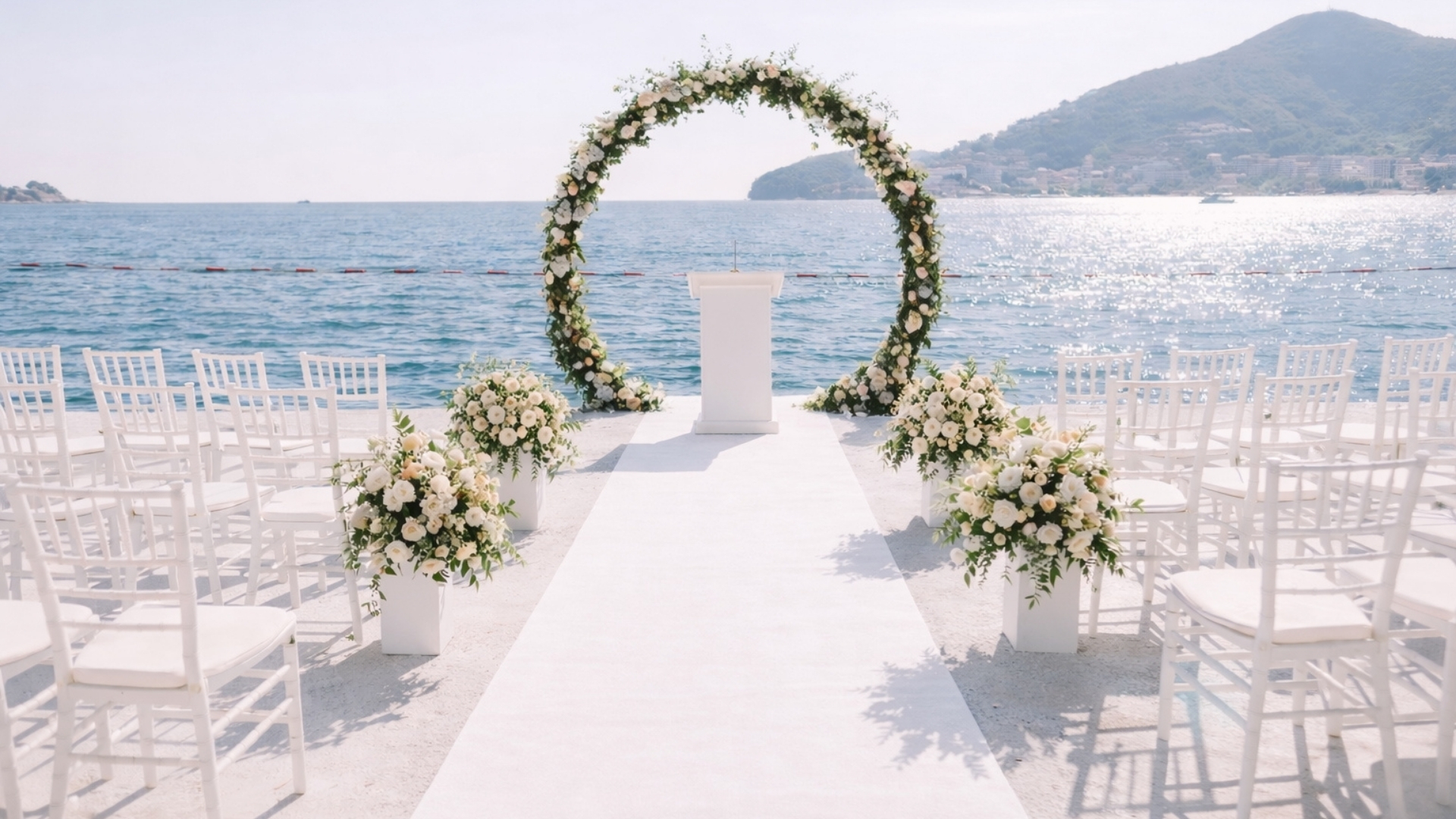
Yes, sometimes size really does matter. A venue that is too small and your guests will feel cramped; too big and it can feel impersonal. The best venues allow for flow that creates a journey for your guests: a ceremony spot, a cocktail area, a dinner setup, and space for dancing. When visiting venues, walk through how your day would move from space to space to envision the day while keeping your guest list count in mind.
FACTOR 3
Getting Ready Onsite
Consider whether the venue offers on-site accommodations or at least a bridal suite for the morning of your wedding. If not, start thinking of alternatives: how far are the nearest hotels or villa rentals?
At my own wedding, we had to compromise. Our venue was gorgeous, but it only offered entertainment spaces, no rooms, no bridal suite. Thankfully, I found the perfect villa rental nearby where my family and I could get ready. It worked out in the end, but it added another layer of logistics I hadn’t anticipated.
When evaluating venues, ask yourself:
- Is there enough space for a bridal suite that comfortably fits you, your hair and makeup team, and anyone else getting ready with you?
- Is there a separate space for you and your fiancé to get ready without bumping into each other?
- Is the décor photogenic enough for “getting ready” photos, or will you need to bring in extra touches?
- Where will you do your first look, if you’re planning one?
- Who’s responsible for driving you to the venue in your gown and back home after a long night of partying?
These small details might seem secondary when you’re touring wedding venues, but they make a huge difference. Think them through early while you’re shortlisting venues.
FACTOR 4
The People Behind the Venue
Just as important as the physical location is the team that runs it. You’re not just renting a space, you’re trusting the people behind it to help make your day run smoothly. Pay attention early on: do they answer your emails promptly? Are they clear and organized, or vague and hard to pin down? These are little green (or red) flags that tell you what to expect later.
At my wedding, the venue required a full walk-through with all vendors three months before the big day, caterer, photographer, DJ, everyone. At first, I thought, ugh, another thing to schedule. But it ended up being one of the smartest parts of our planning. We caught little details we never would’ve thought of on our own, like where the DJ could safely plug in equipment and how the caterer would handle cold storage.
A venue team that’s proactive, transparent, and willing to collaborate with your vendors is important. On the flip side, a venue that dodges questions or takes forever to reply is a recipe for stress. Don’t just fall in love with the aesthetics, fall in love with the team too. Our guide on how to choose wedding vendors has more on what to look for.
FACTOR 5
In-House or Outsourced Catering
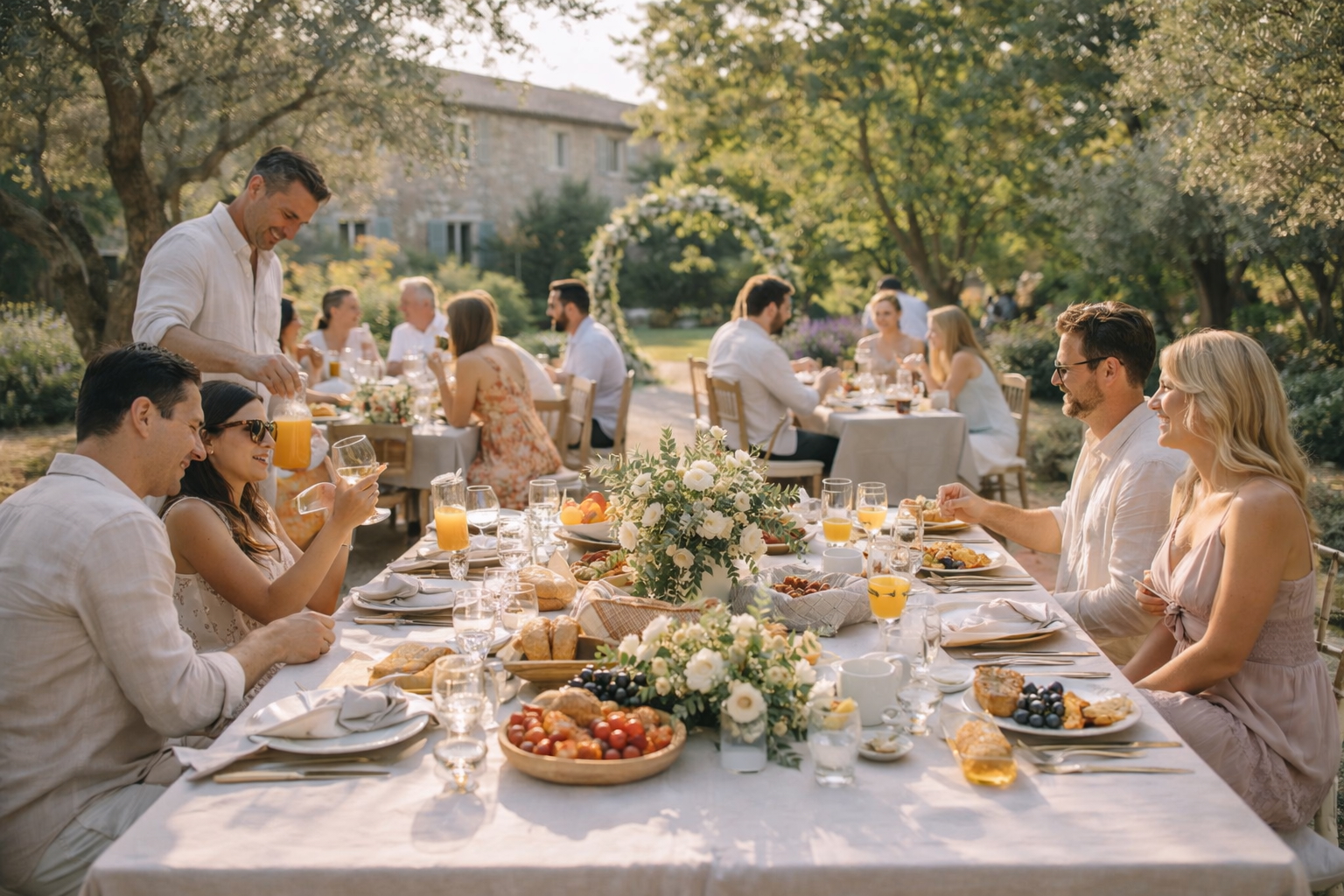
Some venues lock you into their in-house catering, which can feel like a win. Two vendors in one, less to coordinate, and one less contract to manage. But the flip side is that you may be stuck with a menu that isn’t your taste or doesn’t reflect your cultures the way you’d like.
Food is such a big part of the day and of cultural traditions, especially at bilingual weddings, that this one deserves extra attention. And always, always taste before you commit.
FACTOR 6
What’s Included in the Package
This is where venues vary the most and where surprises can creep in. Are tables, chairs, or linens included in the rental, or do you need to source rentals? Can you stay until 3am, or does the party wrap up at midnight? Can you return the next day for a brunch, or is that an additional cost?
At my venue, we had to rent absolutely everything down to the cocktail high-tops which in hindsight was a logistics nightmare. It meant more work and extra vendor contracts, but the upside was flexibility. I got to choose exactly the look I wanted, instead of being tied to what the venue provided.
When touring venues be sure to ask what’s included and what’s prohibited. Some places won’t allow candles, sparklers, or fireworks because of fire hazards. Others may restrict outside alcohol or food trucks. Share your wedding vision upfront so you don’t fall in love with an idea that isn’t possible at that location. And when you’re ready to compare venues side by side, our vendor comparison tool makes it easy to evaluate everything in one place.
FACTOR 7
Outdoor Venues Need a Backup Plan
We all love the idea of an outdoor wedding, but the weather doesn’t always cooperate. If you’re choosing an outdoor venue, be sure to ask about Plan B. Do they offer a tent, covered pergola, or an indoor space? Sometimes this may be an added cost, but in this case it truly is better to be safe than sorry. It’s also worth checking historical weather patterns for your chosen location and time of year. Our guide on how to predict your wedding day weather walks you through exactly how to do this.
FACTOR 8
Getting to and From the Venue
When touring venues, consider transportation. Is the venue easy to reach by taxi or Uber? Are ride-shares even allowed there? Or will you need to set up shuttle buses? Planning group shuttles can be a headache, so really think it through. Our guide on whether to provide guest transportation will help you decide what makes sense for your wedding.
FACTOR 9
Think About Lighting From Day to Night
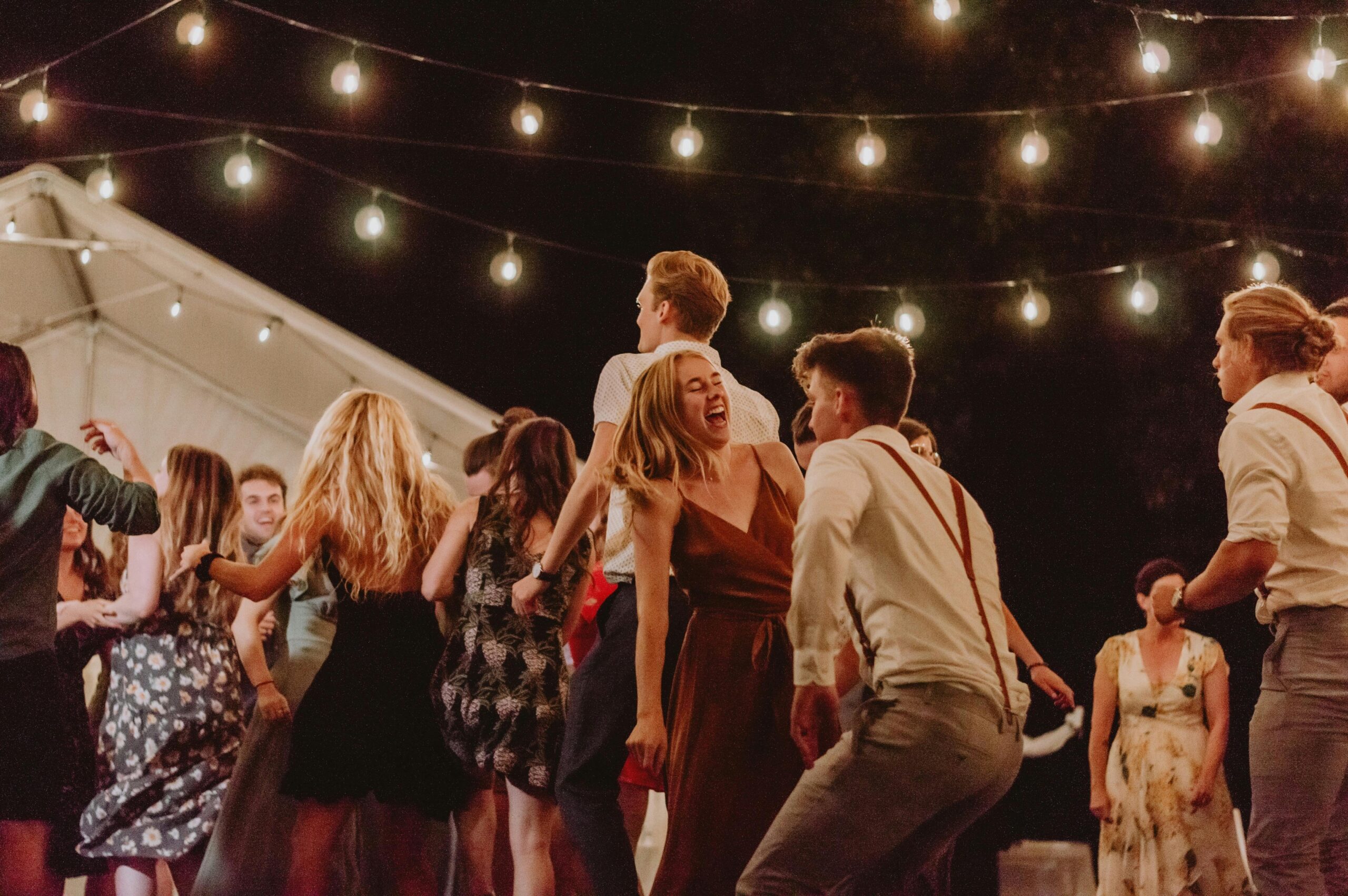
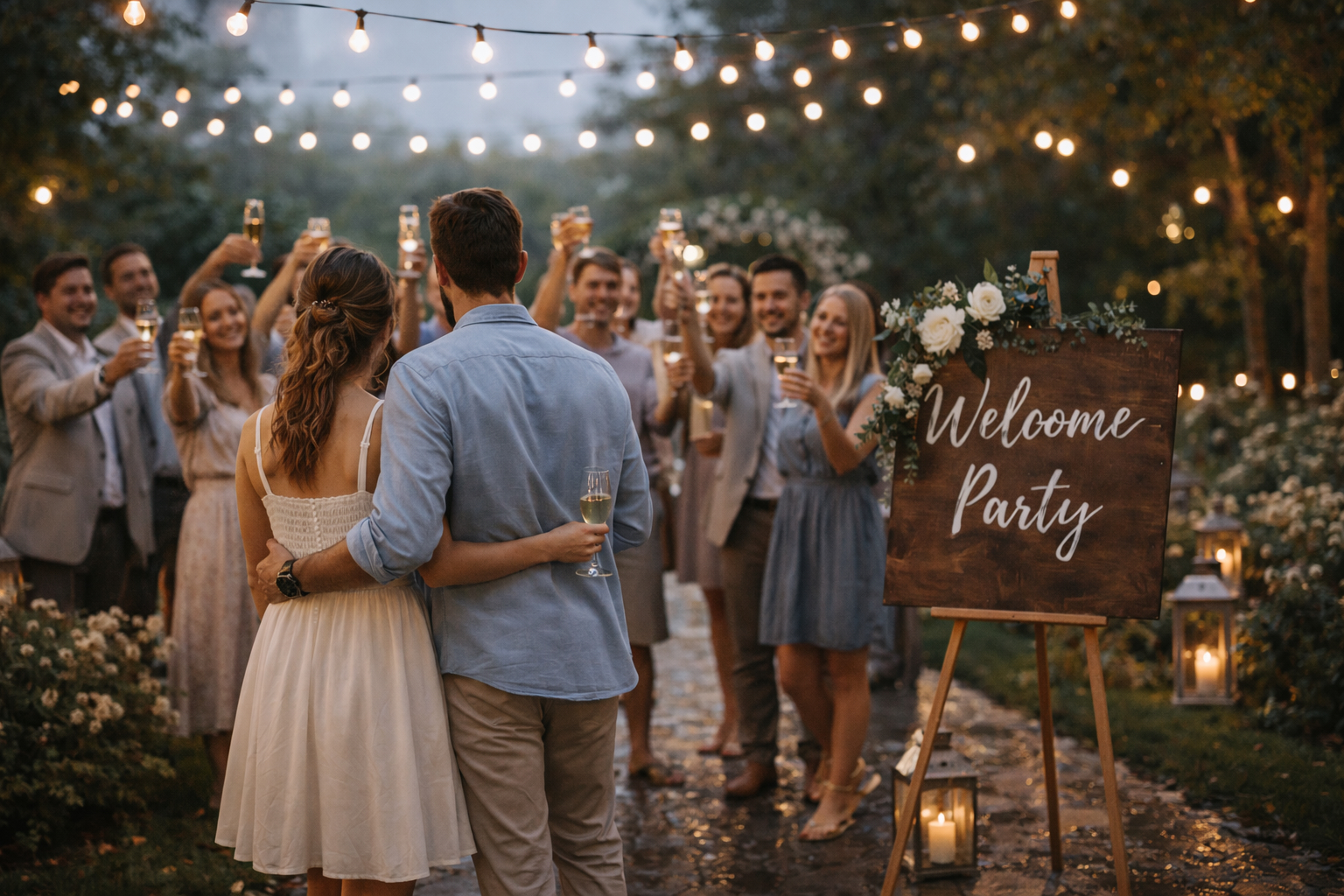
Most venue visits happen during the day, but what will it look like at night? Are the facades lit? Will guests see their food while dining? Does your DJ need to bring extra lights to light up the dance floor? These are a few questions to think through when visiting venues.
Don’t forget to think about natural light as well. Talk to your photographer about where the sun will hit during your ceremony and other outdoor parts of the wedding. Lighting can totally change the vibe and your wedding photos. Your future self will thank you.
FACTOR 10
The Vibe Has to Feel Like You
Last but not least, the fun part. Beyond the Pinterest board, the venue itself should feel like a reflection of you, your fiancé, and your story. But here’s the thing: don’t judge a book by its cover. Some venues have terrible websites or outdated Instagram pages but are absolutely magical in person. That happened to us. My husband insisted we check out a venue I had written off online, and the moment we stepped inside, we knew it was “the one.”
Final Thoughts
No venue will check every box, but by knowing what to prioritize and asking the right questions, you’ll find the place that reflects you and your love story. The right venue doesn’t just look beautiful in photos. It works for your guests, fits your budget, and sets the tone for everything else. Take your time, visit if you can, and trust your gut.
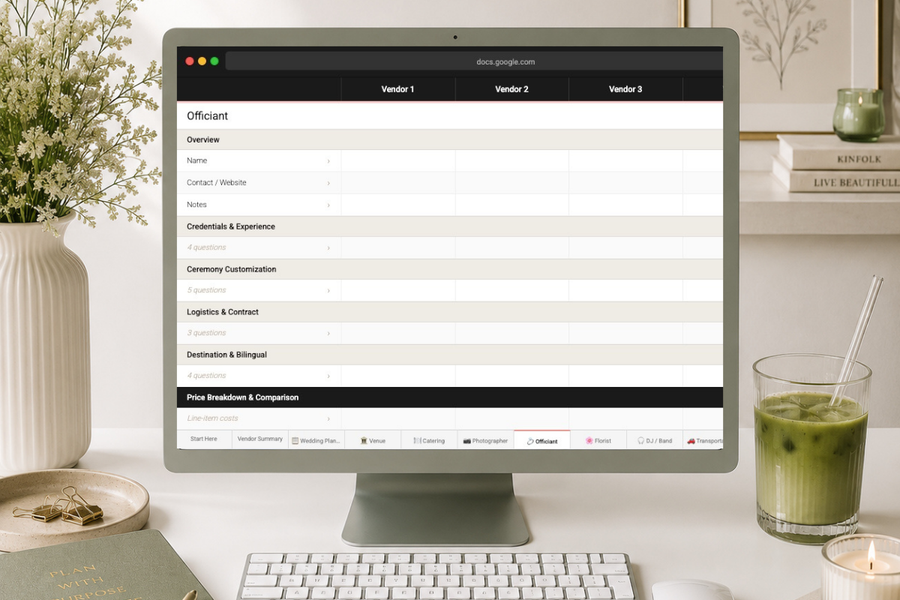
200+ vendor questions, side by side comparisons, and detailed quote breakdowns. Never miss a detail when evaluating venues and vendors.
Frequently Asked Questions
How do you choose a destination wedding venue?
Start with location and guest accessibility, then work through the practical details: size, accommodation options, catering flexibility, what’s included in the package, transportation logistics, and backup weather plans. Visit in person if at all possible. A venue that looks perfect online can feel completely different in person, and vice versa.
What questions should you ask a destination wedding venue?
Key questions include: what’s included in the rental fee, what’s prohibited, what time does the event need to end, is there a bridal suite, what’s the backup plan for bad weather, who is the on-site contact on the wedding day, and what vendors are you required to use versus bringing your own.
How far in advance should you book a destination wedding venue?
For popular destination venues, 12-18 months in advance is recommended. Sought-after venues in peak wedding season can book up even earlier. Once you have a shortlist, start reaching out to check availability before falling too deeply in love with any one option.
Should you visit a destination wedding venue before booking?
Yes, whenever possible. Photos and videos never fully capture how a space feels in person. The flow of the space, the quality of the team, and the overall energy of the venue are things you can only really assess in person. If visiting isn’t possible, ask for a live video walkthrough with the venue team.
What is the average cost of a destination wedding venue?
Costs vary enormously depending on location, season, and what’s included. European venues can range from a few thousand euros for a simple rental to tens of thousands for full-service packages. Always ask for a full breakdown of what is and isn’t included so you can compare venues on an equal footing.