✦ In this postBuilding your wedding guest list is emotional and complicated. These 5 simple tests will help you make decisions you’ll feel good about, without the guilt.
Creating your wedding guest list is one of the trickiest parts of wedding planning. Harder than choosing flowers. Harder than choosing the playlist. But not harder than figuring out the seating chart. Because unlike décor or menus, guest lists are emotional. You’re trying to balance family expectations, old friendships, budgets, obligations, people you haven’t spoken to in years, coworkers, cousins, childhood friends, your parents’ family friends, and somehow fit all of this into one beautiful event and one budget.
And for bilingual or multicultural weddings? Add another layer. Different countries. Different cultures. Different family expectations. Bigger families. More travel. More pressure.
Let’s start by saying there is no perfect formula. What feels right during wedding planning might feel completely different five years later. All brides I’ve spoken to, including myself, have at some point looked back and thought “why the hell did we invite that person?”
There’s no magic answer. But there are a few “tests” and little reflections that can help guide your decisions while you’re building your guest list. And once you’ve worked through who to invite, read our guide on how to handle plus-ones at your wedding for the next tricky decision.
TIP 1
The FaceTime Test
This one makes me laugh, but honestly it works. If this person randomly FaceTimed you tonight, would you pick up immediately? Or would you stare at your phone thinking “why are they calling me?”
Now obviously this isn’t a scientific method and there are exceptions. Sometimes family dynamics are complicated. Sometimes you don’t talk often but still deeply care about each other. But I do think this test helps reveal how naturally connected someone currently is to your life. Because weddings are intimate, even large weddings. You’re surrounding yourself with people witnessing one of the biggest moments of your life.
TIP 2
The Meal Test
Wedding budgets become very real, very quickly. Once you start seeing the actual cost per guest, suddenly every RSVP feels expensive because it is. So here’s another test: outside of the wedding, would you willingly take this person out for a $100-$300 dinner and happily pay for their meal?
Now before everyone panics, obviously weddings are different. Weddings are special occasions and naturally more generous. This isn’t meant to make you calculate every relationship like a business transaction. But I do think this test helps ground things emotionally and financially.
Because when guest lists start spiraling, it’s easy to disconnect from the reality that every “extra person” impacts:
- catering
- rentals
- tables
- transportation
- favors
- welcome bags
- and your overall budget
Sometimes thinking about it in a smaller real-life context helps bring clarity.
TIP 3
The Wedding Test
This one is simple. Would you genuinely be excited to attend their wedding? Would you happily book the flight, dress up, celebrate their love, and spend the weekend there supporting them? Or does the relationship mostly exist out of habit, history, or obligation? And similarly, did they invite you to theirs?
Now of course relationships aren’t transactional and invitations shouldn’t be tit-for-tat. But I do think this question helps you reflect on the depth of the relationship itself.
TIP 4
The One-Year Test
If you haven’t spoken to someone in over a year, didn’t hear from them during your engagement, and they haven’t really been part of your life recently, it’s worth pausing before automatically inviting them.
BUT, and this is important, I also think weddings are one of the rare moments in life where reconnecting can actually feel incredibly meaningful. Especially for destination weddings or multicultural families where people live all over the world. There were people at our wedding that we hadn’t seen in years, and the second we reunited it felt like absolutely no time had passed. And those moments ended up being really special.
So again, there’s no perfect rule here. Sometimes distance doesn’t weaken a relationship. Life just gets busy.
TIP 5
Protect the Energy of Your Wedding
I think this might actually be the most important one. Never feel forced to invite someone who brings bad energy into your life. And I know that sounds harsh. The people in that room become part of your memories, your photos, your videos, your experience forever. You want to look around your wedding and feel safe, happy, loved, supported, celebrated. Not tense or uncomfortable.
And sometimes as brides, especially bilingual brides balancing multiple families and expectations, we feel pressure to keep everyone happy. But protecting your energy matters too. For more on creating a connected, inclusive atmosphere for the guests you do invite, read our guide on 10 tips to make guests feel included at a bilingual wedding.
Final Thoughts
At the end of the day, your guest list is deeply personal. There will probably be people you question inviting. There may be people you wish you had invited more of. And honestly, there may even be a few you wonder later why you invited at all.
That’s normal. There is no perfect guest list and no perfect balance that makes every single person happy. All you can do is make the decisions that feel right for you and your fiancé in that moment, with the information and emotions you have at the time. Because ultimately, your wedding should feel filled with people who bring joy, warmth, support, and good energy into your life.
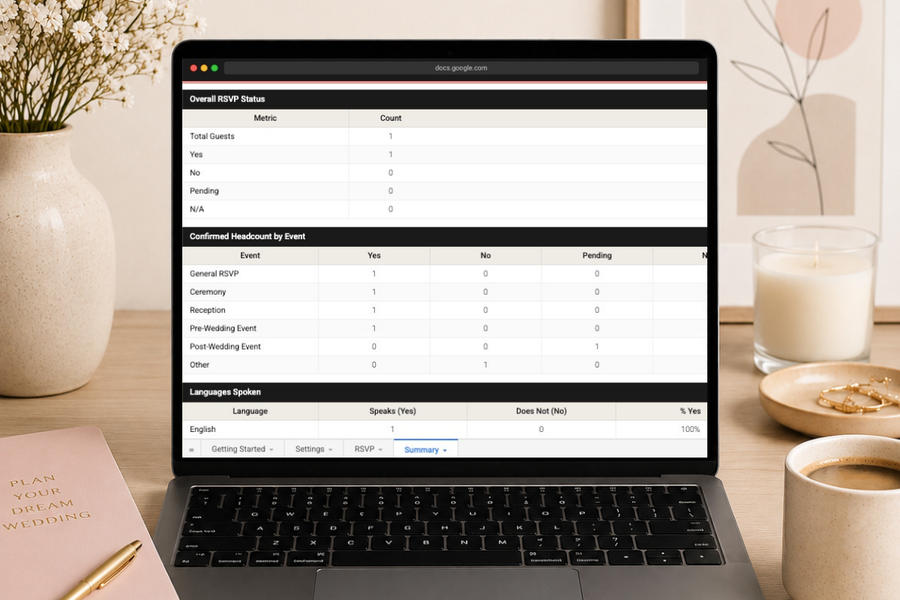
✦ Stay organized
Track RSVPs, meal choices, plus-ones, and more, all in one place. Designed for bilingual and multicultural weddings.
Frequently Asked Questions
How do you decide who to invite to your wedding?
Start with the people you genuinely want in the room, not the people you feel obligated to invite. Use practical tests like asking yourself if you’d excitedly pick up their call, whether you’d happily take them to dinner, and whether the relationship is current and meaningful. For bilingual and multicultural weddings especially, factor in travel expectations and family dynamics from both sides.
How do you cut your wedding guest list?
Start by separating your list into must-haves and maybes. Apply consistent rules rather than making emotional case-by-case decisions. The meal test is a practical way to reality-check borderline invites. Remember that every additional guest impacts your budget, venue capacity, and the intimacy of your day. It’s okay to keep it smaller than family expectations suggest.
How do you handle family pressure around the wedding guest list?
Acknowledge the pressure without letting it dictate your decisions. Have an honest conversation with your partner first so you’re aligned, then present a united front to family. Set a firm guest count early and stick to it. If parents are contributing financially, have an upfront conversation about how many guests that contribution covers before expectations are set.
Is it okay to not invite coworkers to your wedding?
Absolutely. Unless you have close friendships with coworkers outside of the office, there’s no obligation to invite them. Apply the same tests you would to anyone else. If you wouldn’t excitedly pick up their call or take them to dinner, they probably don’t need to be at one of the most intimate moments of your life.
How do you build a wedding guest list for a bilingual or multicultural wedding?
The same principles apply but with added layers. You’re often balancing two sets of family expectations, potentially from different cultures with different norms around weddings and guest lists. Start with your non-negotiables from both sides, set a firm total number early, and work backwards from there. Being transparent with both families about the constraints helps manage expectations before they escalate.