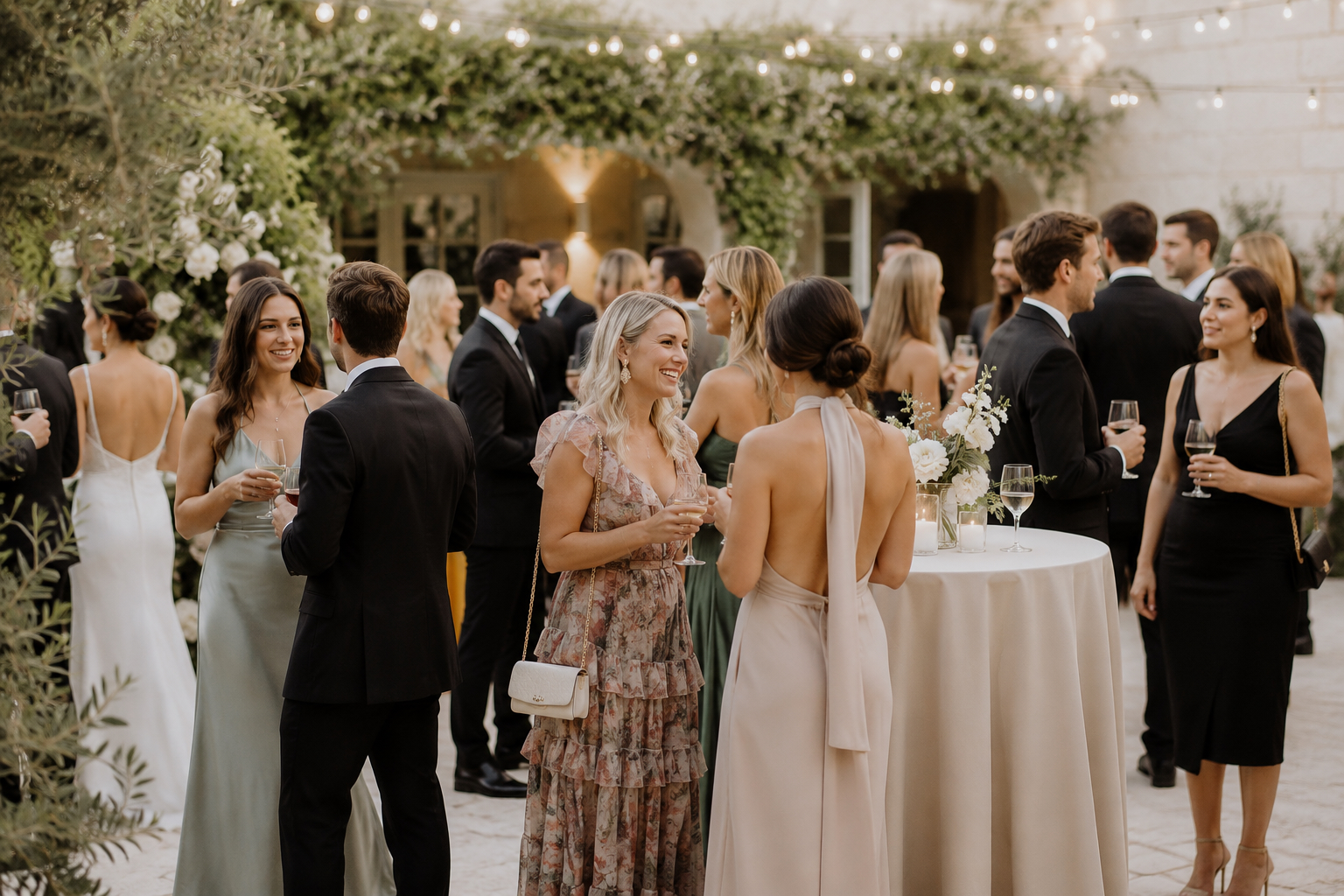
One of the keys to a truly great wedding is whether your guests connect. At most weddings, friends and family come from very different chapters of your life: childhood friends, college friends, extended family, different age groups, and often different countries or cultures. But the one thing every single guest has in common: you and your partner.
They’re all there because of you. They’ve traveled, sometimes across the world, to celebrate your story. That makes you the natural link between groups, the quiet connector who knows who would get along instantly and who might need a little help breaking the ice.
Icebreakers can be a powerful way to do that if they’re done thoughtfully. And let’s be clear: we’re not talking about cringe icebreakers from corporate team-building exercises! For more ideas on creating a connected guest experience, read our guide on 10 tips to make guests feel included at a bilingual wedding.
IDEA 1
The Fun Fact Game
This was the icebreaker we used at our wedding, and it ended up being a huge hit! Ahead of time, we grouped guests based on one shared thing they had in common, but we didn’t tell them what that thing was. Guests either received their group number in advance or found it printed on a sheet at the event.
At some point during the evening, guests were invited to gather at tables marked with their group numbers. Once everyone was in their group, they had to talk and figure out what that shared fact was. My husband and I walked around each table. Some groups guessed it immediately and others took a while. It was hilarious!
It naturally got people talking, laughing, and interacting with guests of all ages and backgrounds they may not have approached otherwise without feeling forced. Examples of group themes include:
- Sports (golfers, runners, pilates lovers, marathon runners, etc.)
- Animals (dog mommas, cat lovers, etc.)
- Countries (all currently living in the UK, all previously lived in the US, etc.)
- Languages (all speak Afrikaans, all speak more than 4 languages, etc.)
- Music taste (similar genre, concerts attended, etc.)
- Food and drinks (foodies, wine lovers, matcha enthusiasts, etc.)
- Family dynamics (only children, oldest siblings, etc.)
- University alumni (attended the same university or studied in the same city)
IDEA 2
The Wedding Newspaper
Not every connection needs to happen through an active game. For our welcome event, we also created a wedding newspaper, something guests could pick up and enjoy on their own time. Guests read it casually, laughed, pointed things out to each other, and started conversations organically. Our newspaper included:
- Our story
- Fun guest “awards” with photos of our guests (the matchmaker, the one who traveled the furthest, longest friendships, etc.)
- A Bride vs. Groom “Who’s Most Likely To…” section with answers included
IDEA 3
The Photo Seating Chart
Another way to create connection and emotion is through photos. We skipped a traditional seating chart for our wedding reception and instead had small Polaroid-style photos featuring us with that guest. To make it even more meaningful, we chose some of the oldest photos we had:
- Best friends at 10 years old
- A grandparent holding us as a baby
- Awkward prom photos with high school friends
I won’t lie, finding photos for 100+ guests took time. But it became a real showstopper. Guests lingered, shared stories, laughed together, and even shed a tear or two!
IDEA 4
Casual Conversation Starters
Casually incorporating conversation starters around cocktail tables or dinner tables is another way to help guests who don’t know each other to start talking.
This can be as simple as placing “Who knows the couple best?” or light “Him vs. Her” cards around cocktail tables to spark easy conversations. Or a card with keywords translated in both of your languages (hello, cheers, bride, groom, etc.).
At dinner tables, you can include question prompts that feel especially natural for destination and bilingual weddings, such as:
- Favorite country you’ve visited
- Favorite cuisine
- In which country did you meet the bride or groom?
- How many languages do you speak?
- Which language do you dream in?
- What’s a word in your language that doesn’t translate well?
- How do you say “cheers” in your language?
These small, thoughtful details create natural entry points for conversation and help guests feel comfortable connecting with the people around them.
IDEA 5
Themed Tables
You can also let the table do some of the work by naming tables after cities or places that matter to your story. These locations become natural conversation starters as guests sit down and start connecting the dots.
For example, the New York table where you met, the Lisbon table from your first trip together, or the Paris table where the bride is from.
IDEA 6
The Guest Map
Set out a world map and invite guests to pin where they traveled from. It instantly becomes a natural gathering point for guests to pause, notice how far others have come, and start talking without even trying.
No need to turn it into an activity or announcement. Simply placing the map near the bar or entrance during the cocktail hour will do it! This works especially well at welcome events where guests are arriving for the first time and naturally curious about who else is there.
Final Thoughts
The best wedding icebreakers don’t feel like icebreakers. They feel like opportunities to connect, to laugh, to learn something new about the people around you. When done with intention, these moments don’t interrupt the celebration, they enhance it.
The best icebreakers don’t feel like icebreakers at all. They feel like the natural start of a great night. Choose one that feels like you, keep it light, and let the connections take over from there. For more on creating an inclusive and connected atmosphere throughout your wedding weekend, read our guide on why wedding welcome events are worth it.
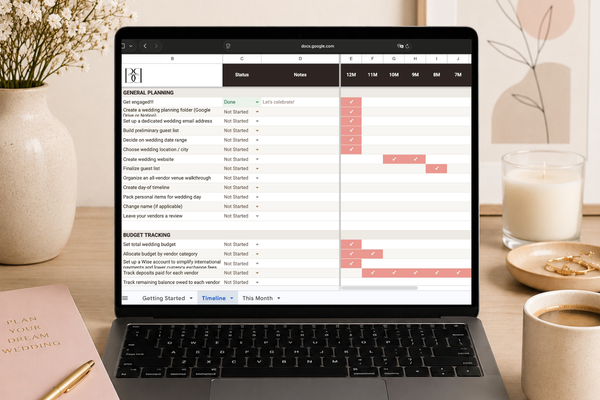
200+ tasks across 22 categories, your step-by-step planning timeline designed specifically for bilingual and multicultural weddings. Free, instant download.
Frequently Asked Questions
What are good icebreakers for a wedding?
The best wedding icebreakers are ones that feel natural and low-pressure. The fun fact grouping game, conversation starter cards at tables, a guest map, a wedding newspaper, and photo seating charts all work well because they create connection without forcing it. The key is choosing something that reflects your personality as a couple.
How do you get wedding guests to mingle?
Start with a welcome event the night before the wedding. It gives guests a relaxed setting to meet before the more formal wedding day. Add subtle conversation starters like name tags with nationalities or languages, themed table names, or a mix-and-mingle game. Being intentional about introducing guests to each other as the couple also makes a huge difference.
What are good wedding games for multicultural weddings?
Games that celebrate different backgrounds work best. The fun fact grouping game with language or country-based groups, conversation starter cards with multilingual words, a guest map showing where everyone traveled from, and table names based on meaningful places all feel inclusive and celebratory rather than generic.
How do you break the ice at a bilingual wedding?
Use the language diversity as a feature rather than a barrier. Conversation starter cards with words translated across your wedding languages, name tags listing languages spoken, and group games based on shared languages all turn the multilingual dynamic into something fun and connecting rather than awkward.
Should you have games at a wedding welcome event?
It’s optional! The goal is to spark conversations, not to run a game show. If the energy is already great and guests are naturally connecting, you don’t need to interrupt it. Trust your instincts on the night.