Let’s talk about one of the most delicate wedding topics: plus-ones. Nothing creates confusion, awkward conversations, and subtle family politics quite like deciding who gets to bring someone to your wedding.
On one hand, you completely understand that guests are traveling, spending money, taking time off work, and may not want to attend alone. But on the other hand, weddings are expensive. Guest counts add up fast and giving every single person a plus-one can increase your wedding size dramatically. Also, you don’t want to be at your wedding surrounded by people you don’t know or that you’re meeting for the first time.
So how do you decide? There’s no universally correct answer. Every couple handles plus-ones differently depending on budget, venue size, relationship dynamics, culture, and the overall vision for the wedding. But here are a few things that helped us think through it. And if you’re building your guest list at the same time, read our guide on how to decide who to invite to your wedding for a broader framework.
TIP 1
Create Rules Early
The easiest way to avoid stress later is to decide your plus-one rules early on and stay relatively consistent. For example it could be that guests traveling internationally alone and bridal party members may automatically receive a plus-one. Once you establish your general framework, decisions become much easier because you’re not evaluating every single person emotionally one-by-one.
TIP 2
Destination Weddings Are Different
I do think destination weddings change the conversation a little bit. When guests are flying internationally, booking hotels, and turning your wedding into a vacation, it’s understandable that some people may feel more comfortable traveling with someone. Especially if they don’t know many other guests.
At the same time, destination weddings are already incredibly expensive for the couple hosting them too. Transportation, welcome events, meals, guest experiences, it all adds up very quickly. So this is where you really have to balance logistics, budget, and what feels right for your wedding.
There’s no perfect answer.
TIP 3
Not Every Relationship Needs to Be Invited
This may sound controversial, but not every new relationship automatically needs a wedding invitation. We all know that one friend who is constantly dating someone new. And honestly, this becomes especially tricky when invitations go out months in advance. Sometimes couples break up before the wedding even happens. Sometimes you’ve never met the person. Sometimes your friend barely knows the person themselves.
Again, there’s no strict rule here. But I do think it’s okay to use common sense and your gut feeling instead of feeling pressured to automatically say yes to every plus-one request.
TIP 4
Try to Meet the Plus-One Beforehand
One thing that can also help, especially when a friend is dating someone new, is trying to meet the person before the wedding if possible. It doesn’t need to be anything formal. Even something simple like grabbing dinner, drinks, or meeting casually beforehand can make a huge difference. Because honestly, there’s something a little strange about meeting completely new people for the very first time on one of the most emotional and important days of your life.
Weddings are intimate. Especially destination weddings where everyone spends multiple days together. So if someone is bringing a newer partner, having at least one interaction beforehand can help everyone feel more natural and connected once the wedding weekend arrives.
So sometimes what felt like a serious long-term relationship when invitations went out may look completely different by the time the wedding actually arrives. Which is why I also think it’s important to approach these situations with a little understanding and flexibility when possible.
TIP 5
Kids Can Become Another Layer
Sometimes the plus-one conversation also becomes a children conversation. Family friends wanting to bring kids you’ve never met or that you’re not close with. Guests assuming their entire family is invited. Different cultural expectations around children at weddings.
This is another area where clear communication matters so much. If your wedding is adults-only, communicate that clearly and kindly from the beginning. If exceptions exist for close family or wedding party children, that’s okay too. People are usually more understanding when expectations are communicated early instead of awkwardly later.
TIP 6
Some People May Not Agree With Your Choices
I’m here to tell you that’s okay! This is probably the hardest part of wedding planning to accept. No matter how thoughtfully you approach your guest list and plus-one decisions, someone may still feel disappointed.
Someone may think another person should have been invited. Someone may not understand your budget. Someone may compare your wedding to someone else’s. You cannot control that. What you can control is making thoughtful decisions that align with your priorities, your budget, and the atmosphere you want to create for your wedding.
Final Thoughts
At the end of the day, plus-ones are less about strict etiquette and more about balance. Balancing budget and boundaries with generosity and hospitality. As long as decisions are made thoughtfully and communicated kindly, people usually move on much faster than brides fear they will.
So take a deep breath, trust your gut, and remember: you are not building the perfect guest list for the internet’s approval. You are creating a room filled with people who will celebrate your love.
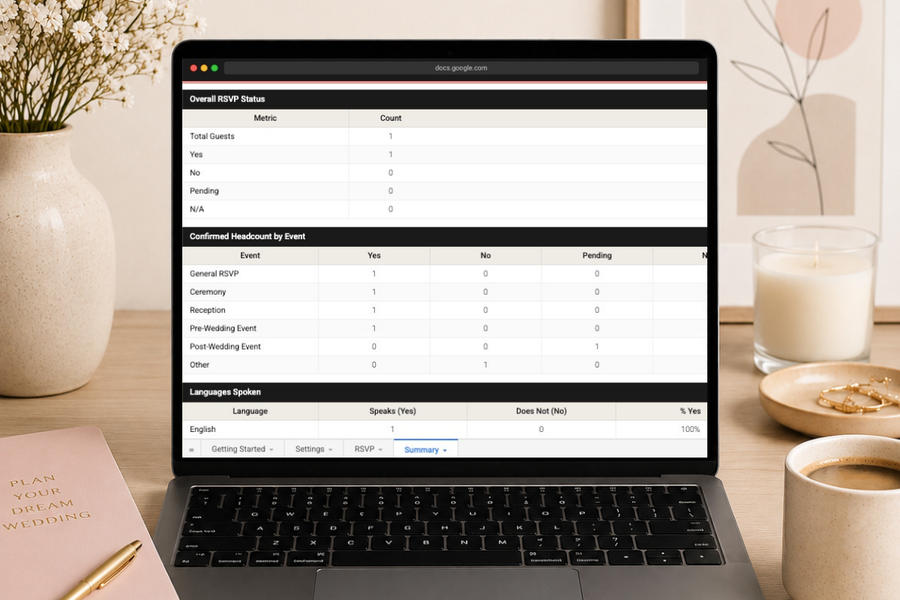
Track RSVPs, meal choices, plus-ones, and more, all in one place. Designed for bilingual and multicultural weddings.
Frequently Asked Questions
How do you handle plus-ones at a wedding?
Set clear rules early and apply them consistently. Common frameworks include automatically giving plus-ones to bridal party members and guests traveling internationally alone, while using your judgment for everyone else. The key is deciding your policy before the invitations go out so you’re not making emotional case-by-case decisions under pressure.
Should everyone get a plus-one at a destination wedding?
Not necessarily. Destination weddings already involve significant travel and expense for guests, which can make plus-ones feel more expected. But they also come with significant costs for the couple. A reasonable middle ground is to offer plus-ones to guests who don’t know many others and are traveling alone, while being more selective for local guests or large friend groups who already know each other.
How do you tell someone they can’t bring a plus-one?
Be direct and kind. A simple “we’re keeping our guest list very intimate and unfortunately aren’t able to accommodate plus-ones outside of the wedding party” is clear and respectful. Communicate it early, before they’ve made any assumptions or plans, and most people will understand.
Should children be invited to a destination wedding?
This is entirely up to you. Adults-only destination weddings are common and most guests understand the reasoning. If you’re going adults-only, communicate it clearly and early on your wedding website and invitations so families have time to make arrangements. If you’re making exceptions for close family, be prepared to explain your reasoning if asked.
How do you manage last-minute plus-one requests?
Refer back to your original policy and apply it consistently. If your rule is that plus-ones are only for certain categories of guests, hold that line kindly but firmly. Last-minute requests are usually a result of unclear communication early on, so the best prevention is being very explicit about your plus-one policy from the