This post is for my bilingual, trilingual, multicultural, and destination wedding brides, whether you identify with one or all of the above. Wedding vendors told me that a trilingual wedding wouldn’t work. And while I understood their apprehension, I was determined to make it work. And it did. Our guests felt included, connected, and had the best time.
In this post, I’m sharing the things we did that made the biggest difference for guest experience and energy. If you’re looking for the more logistical side of planning, our guide on how to plan a beautiful bilingual wedding ceremony has you covered.
TIP 1
Set the Tone Early
You and your fiancé set the tone, and your guests will follow your lead. We did this right from our wedding website, where we explained it would be multilingual and even added a playful line saying that after a few drinks, everyone would be trilingual. It got our guests excited and set up the vibe in advance.
TIP 2
Welcome Events Are Key
A welcome evening or casual drinks before the wedding day is crucial. It helps guests feel more comfortable with each other and takes so much pressure off the actual wedding day, especially for the bride.
For me, the welcome night was emotionally overwhelming in the best way, seeing all of my loved ones together, some I hadn’t seen in years. It also gave me space to feel those feelings so the next day I felt calmer, more relaxed, and ready to fully enjoy the wedding day. I’d even prioritize a welcome event over the post-wedding brunch. It sets the tone, breaks the ice, and makes your wedding day itself feel so much lighter. Read more about why welcome events are worth it.
Pro tipA welcome event doesn’t have to be fancy to make an impact. Most of your guests will already be in town the night before and they’ll love having an extra moment to connect, even if it’s something simple like meeting at a bar where everyone pays for their own drinks.
TIP 3
Find the Right Language Balance
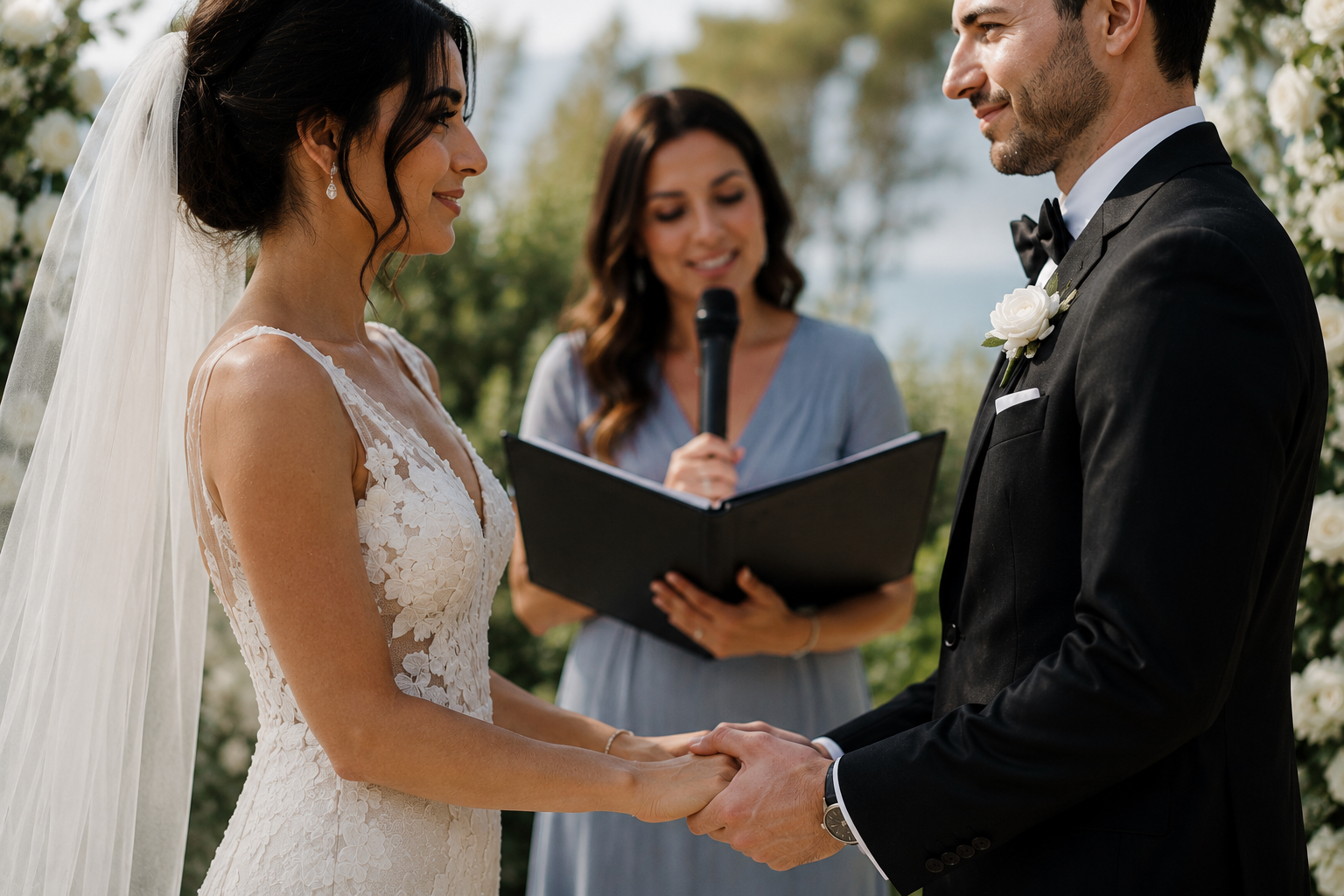
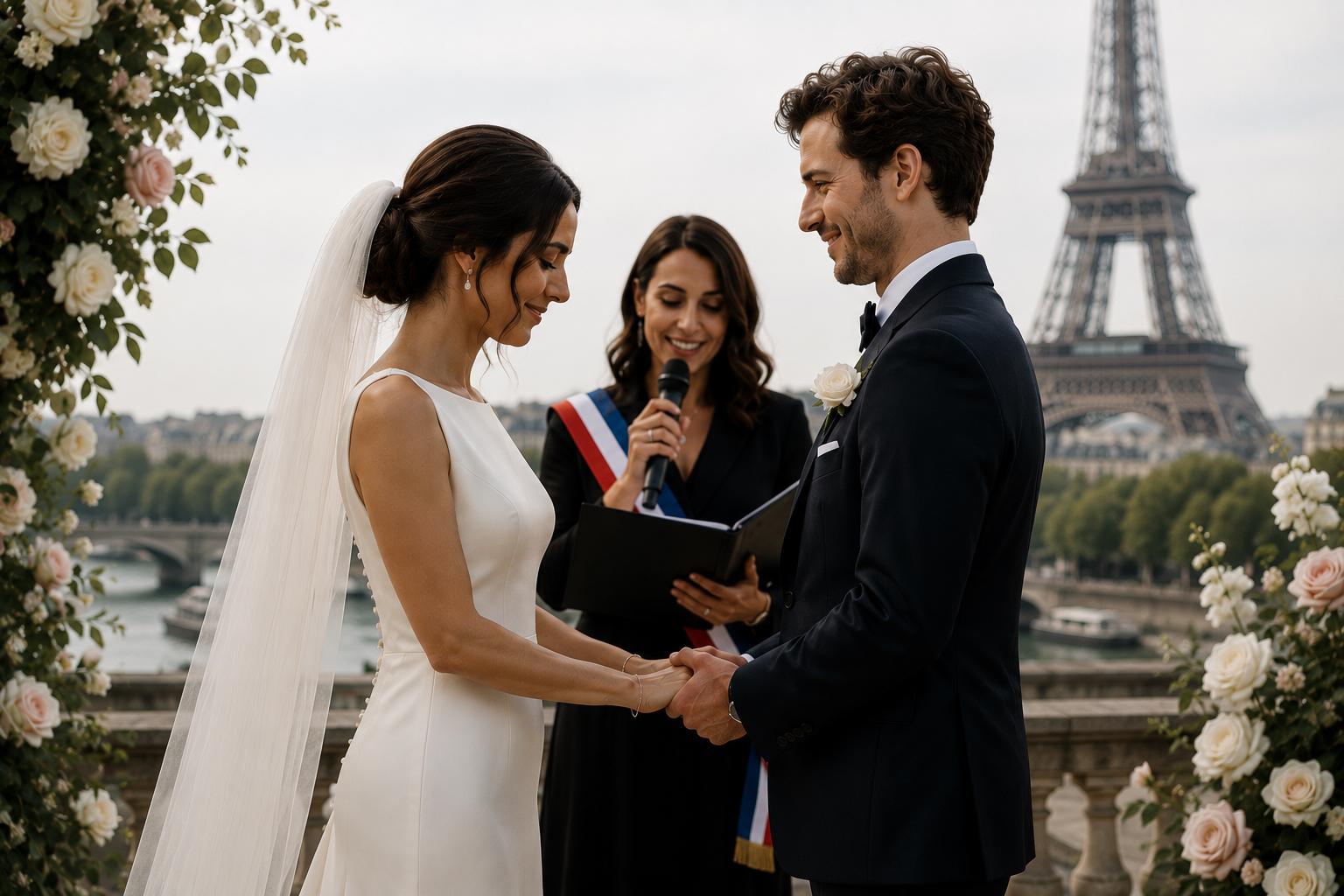
Balance is everything when it comes to languages, especially during the ceremony if you want your guests to stay engaged. Look at the mix of languages your guests speak and plan accordingly. Remember, the goal isn’t to translate every word. It’s to make sure everyone feels included. Our guide on how to plan a bilingual wedding ceremony walks through exactly how to structure this.
Pro tipUse our free RSVP tracker to quickly see your guests’ language mix with the built-in, easy-to-read dashboard.
TIP 4
Keep Toasts Short and Sweet
If you can, include speeches in each language. Alternate between them and keep them short and sweet so one language doesn’t dominate for too long. It’s a small detail, but it makes a huge impact.
TIP 5
Honor Both Sides
Find ways to weave in traditions from both cultures. At one wedding I attended, the bride’s family was Christian and the groom’s family was Jewish. They decided to get married with an officiant instead of a priest or rabbi. At the same time, they created a beautiful blend by adding in the traditions they wanted, like breaking the glass.
TIP 6
Food Is the Language Everyone Speaks
Food is a big part of culture so find a way to incorporate foods from both cultures being represented. Since our wedding was in France, the catering reflected French cuisine. To honor my husband’s Italian side, we had Neapolitan pizzas at the welcome evening and Aperol Spritz and Hugo Spritz as signature cocktails.
We also incorporated a Western-style wedding cake, even though it’s not traditional in France or Italy, because it mattered to us. Food is the perfect way to showcase both your backgrounds and your shared tastes.
TIP 7
Music Is a Universal Connection
Music is another place where balance matters, between generations and between cultures. Think through what matters most: songs tied to your childhood, cultural classics, or even special family requests.
For example, I chose English songs for my ceremony entrance because they were meaningful to me and Paolo. Later, we hyped up the crowd with Italian songs for our grand entrance. And because so many of our friends were from South Florida and Spain, we made sure to play plenty of reggaeton throughout the night which kept the dance floor packed, from family to friends.
TIP 8
Mix and Mingle With Purpose
Sometimes guests don’t share a language, but they share an interest. You just have to help them find it. During our welcome evening, we played a mix-and-mingle game. Ahead of time, I grouped guests into small groups of 4-6 based on something they had in common: sports, hobbies, even triathlons, dog lovers, world travelers.
At the event, each group had to figure out what linked them. Some figured it out instantly, others struggled (or guessed wrong, which was hilarious). The best part? Guests who barely spoke each other’s languages had to try, and it broke the ice in the best way. By the wedding day, everyone already felt connected. For more ideas like this, check out our guide on non-cringe wedding icebreakers that actually get guests mingling.
TIP 9
Bring Your Worlds Together
Most of us have different “eras” of friends, from childhood friends, college friends, and friends from where we live now. For bilingual and multicultural couples, this is amplified since you’ve probably lived in different places. Introduce these groups early on. The common thread is you, and that’s enough to make them click and party the night away together.
TIP 10
Simple Signage Speaks Volumes
Signage is one of the easiest ways to make guests feel included without overdoing it. Think simple, elegant, and universal. A welcome sign that says welcome in both or all three languages is a small touch that includes all guests from the start. For bilingual stationery and signage templates designed for multicultural weddings, browse our Etsy shop.
Final Thoughts
A bilingual or multicultural wedding is all about balance and intention in languages, food, music, traditions, and most importantly, people. When you set the tone and make thoughtful choices, your guests feel included and your celebration becomes a true reflection of your love story.
A bilingual wedding done well doesn’t just include your guests. It makes them feel like they belong. That’s the difference between a wedding people attend and a wedding people remember.
✦ From our shop
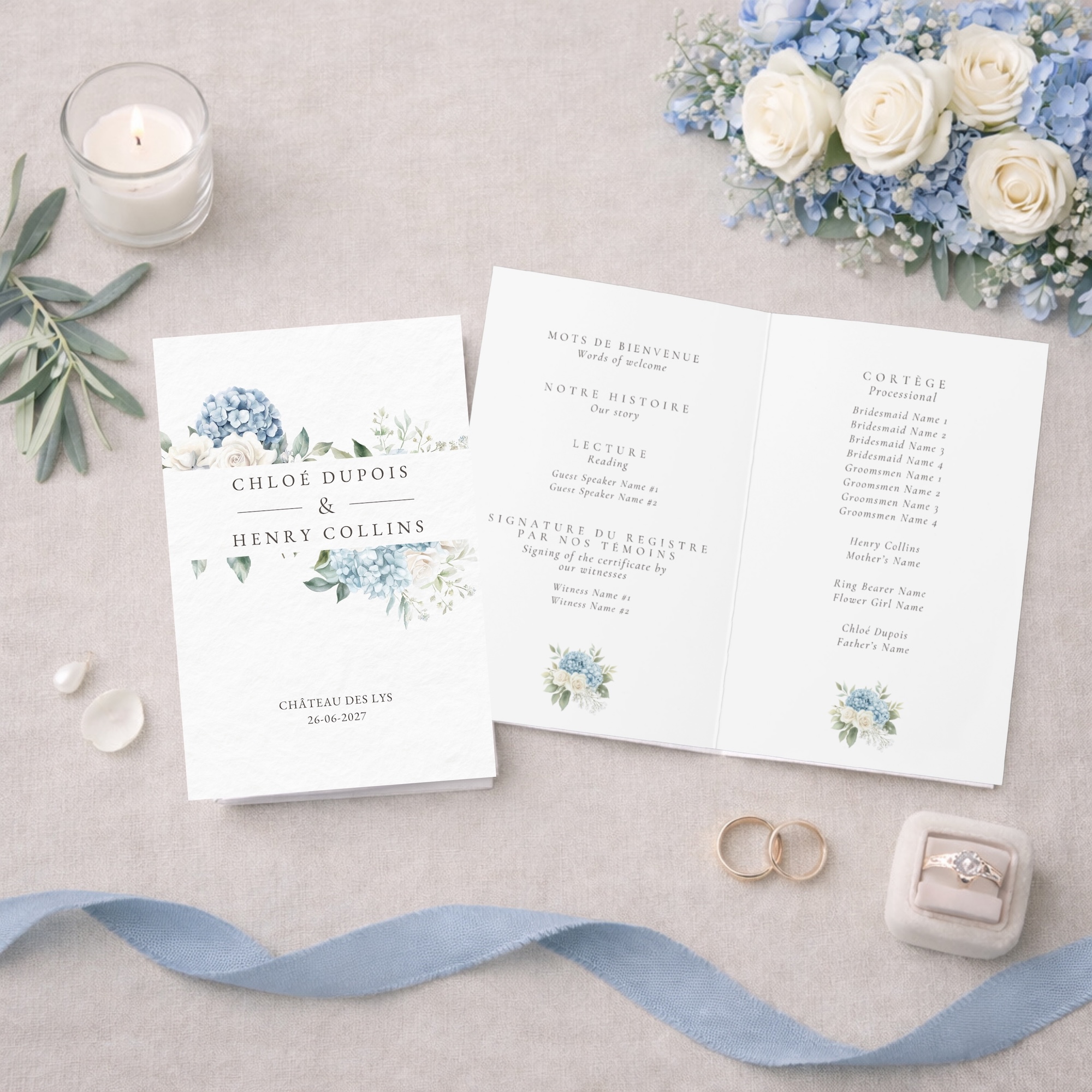
Beautiful, fully bilingual ceremony programs designed for multicultural weddings. Easy to customize, instant download.
Frequently Asked Questions
How do you make guests feel included at a bilingual wedding?
The most effective ways are setting the tone early through your wedding website, hosting a welcome event before the wedding day, balancing languages in the ceremony and speeches, and incorporating food, music, and traditions from both cultures. Small touches like bilingual signage also go a long way.
How do you handle language barriers at a wedding?
Focus on universal experiences that transcend language: food, music, dancing, and shared activities. Use bilingual programs and signage so guests can follow along. Plan icebreaker activities at your welcome event to help guests connect before the wedding day.
Should you translate your wedding ceremony?
You don’t need to translate every word, but you should make sure every guest can follow the key moments. A bilingual ceremony program helps guests follow along without slowing down the ceremony itself. Alternating languages during readings and vows is another effective approach.
What is the best way to welcome international guests to a wedding?
A welcome event the night before is the single most impactful thing you can do. It gives guests time to meet each other, settle in, and feel comfortable before the wedding day. Pair it with a welcome bag that includes local recommendations, a weekend itinerary, and a personal note from the couple.